Published: 2026-10-06 · Updated: 2026-10-06
Sportswear Fabric Basics for Skating Teams
The common fabrics in skating apparel — polyester, elastane, mesh and sublimation printing — explained plainly, so you can hold your own in a supplier conversation.
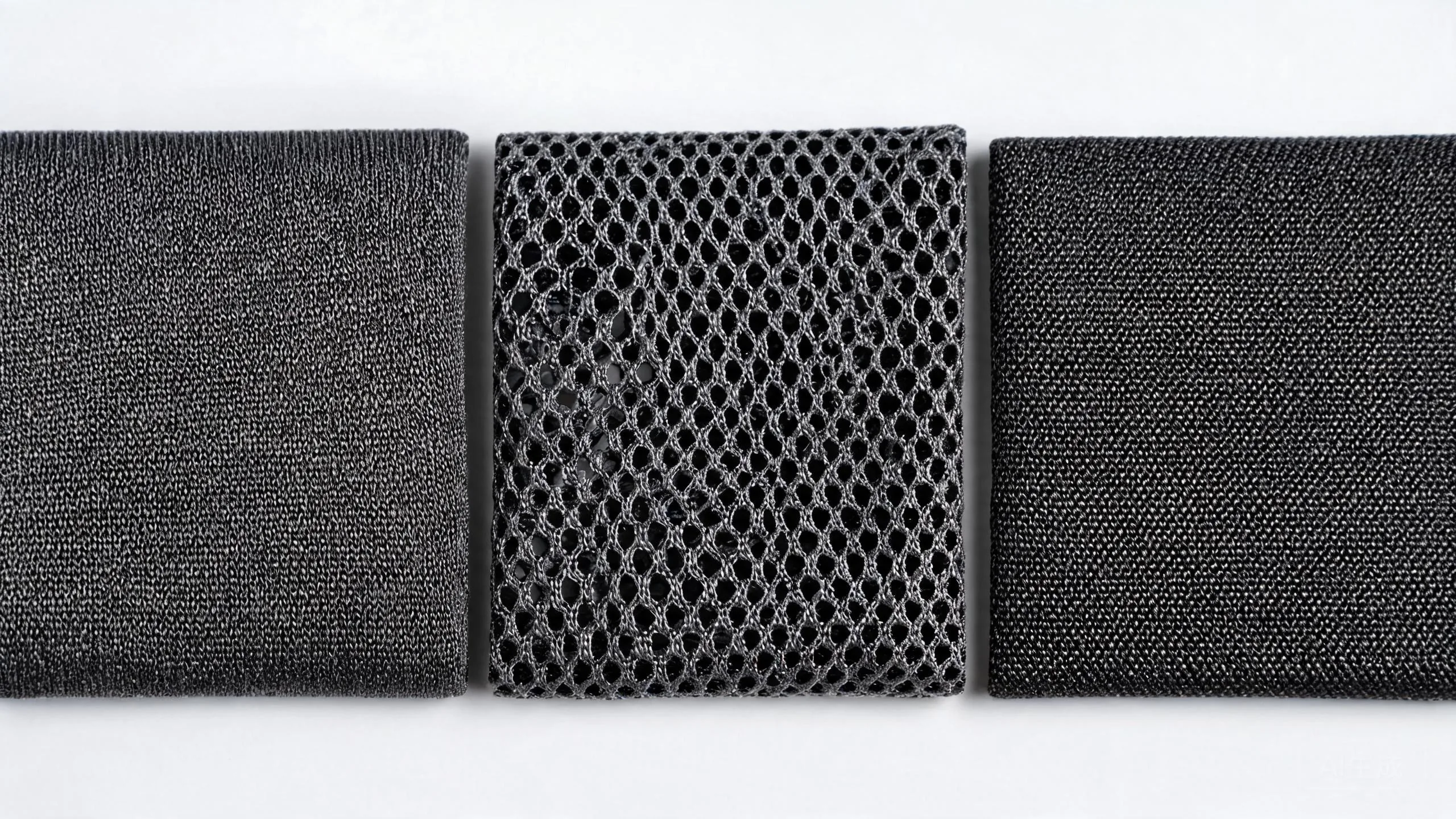
You do not need a textile engineering degree to buy teamwear well. You need to know the handful of materials that appear in almost every quote, what each is good at, and which questions reveal whether a supplier knows their fabrics. This guide covers the essentials.
Polyester: the workhorse
Polyester is the base material for most skating apparel. It is strong, light, resists stretching out of shape, dries quickly and — crucially for teamwear — accepts sublimation printing, which bonds dye into the fiber itself. Prints do not crack or peel the way inks layered on the surface can. Most 'polyester' fabrics in quotes are actually knits in various densities: denser for smooth aero surfaces, lighter for breathability.
Elastane (spandex/Lycra): the stretch
Elastane is never used alone; it is blended into polyester, usually in the range of roughly 10–20% for skinsuits. More elastane generally means more stretch and a tighter, more compressive feel; less means more coverage and a looser feel. The quality factor that matters most is recovery — how well the fabric returns to shape. High elastane content with poor recovery bags out quickly, which is why fabric choice is a judgment, not a numbers game.
Mesh and ventilation panels
Mesh is an open knit that prioritizes airflow. In skating garments it typically appears in areas where the body needs cooling or where the fit needs more give — under arms, along inner legs, or on the back. The trade-off is that open knits are less durable and slightly change the surface appearance, so design teams balance panel placement carefully.
Sublimation printing in plain terms
Sublimation prints designs onto transfer paper with special inks, then heat-presses the paper with the fabric so the dye turns to gas and bonds with polyester fibers. Results: unlimited colors and gradients, negligible weight gain, prints that last as long as the garment — but only on polyester-rich fabrics, and results vary with fabric composition. Ask suppliers how their process handles dark colors and fine detail; the answers are revealing.
Seams and trims
- Flatlock seams: lie flat, comfortable, slightly visible — the standard for skinsuits.
- Bonded/welded seams: no stitching at all, smoothest finish, more delicate and costly.
- Silicone grippers: hold hems in place; quality varies a lot, check they do not irritate skin.
- Zipper quality matters for jackets — ask for self-locking zippers.
Five questions to ask any supplier
- What exact fabric composition are you quoting — polyester/elastane percentages and knit type?
- Is the garment fully sublimated, and how do dark colors print?
- Which seams do you use on this garment, and why?
- How should the fabric be washed to keep elasticity?
- Can you provide a fabric swatch or sample before we commit?
Related guides
- How to Choose a Speed Skating Suit
Fit, fabric, seams and race rules — what actually matters when you choose a speed skating skinsuit, whether off-the-shelf or custom made.
- Custom Teamwear: From Design to Delivery
The stages of a custom teamwear order — inquiry, design, sampling, production and delivery — and what you and the supplier each handle at every step.