Published: 2026-09-15 · Updated: 2026-10-11
How to Choose a Speed Skating Suit
Fit, fabric, seams and race rules — what actually matters when you choose a speed skating skinsuit, whether off-the-shelf or custom made.
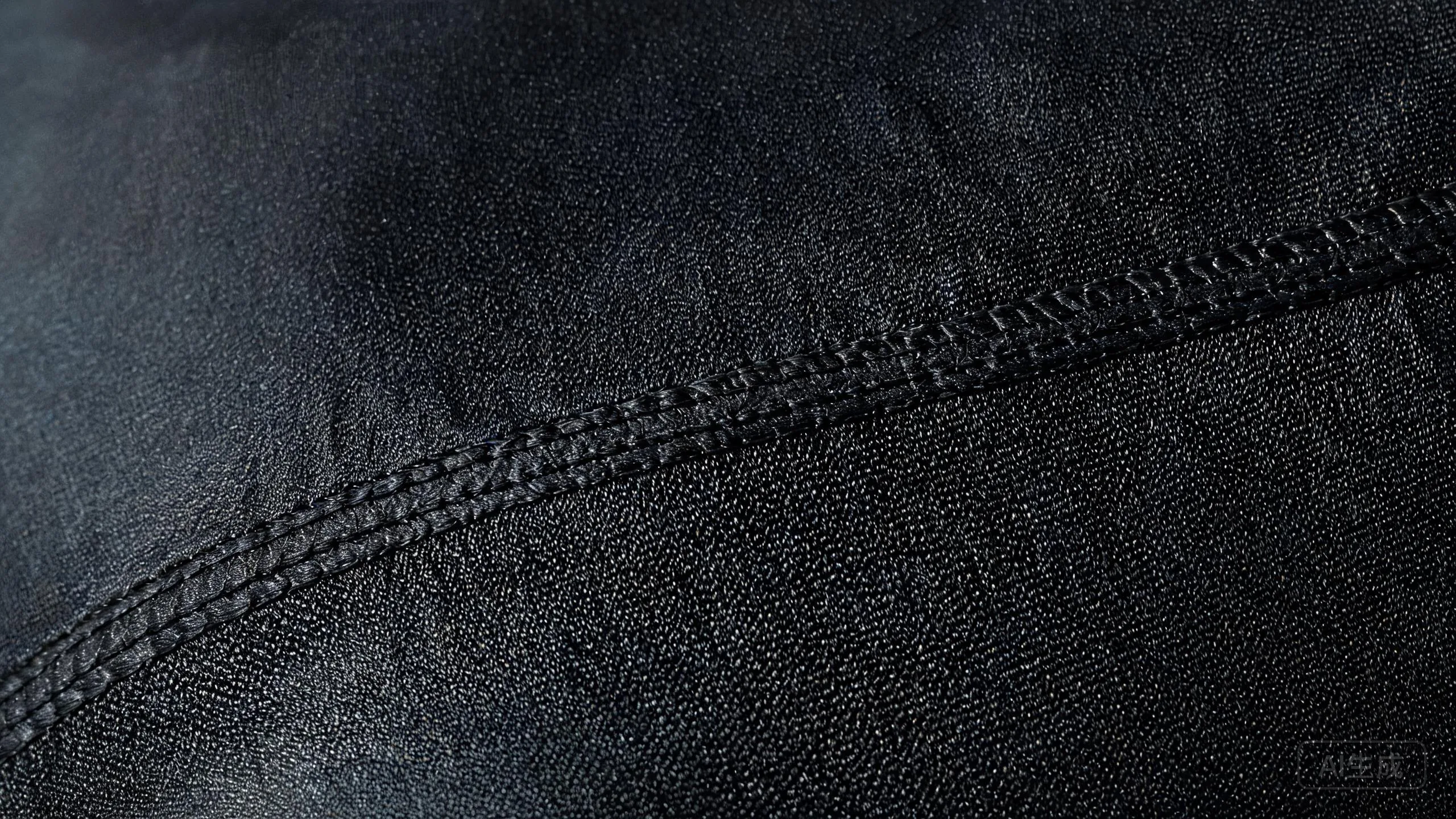
A skinsuit has two jobs: create as little drag as possible, and stay comfortable for the full distance. Manufacturers approach this with different fabrics, cuts and constructions — and the marketing rarely explains which differences matter. Here is how to judge a suit on the things that count.
Rules first, again
As with wheels, check the equipment rules for your discipline before buying. Some federations regulate suit materials, thickness or construction — particularly for ice speed skating, where rules around inserted materials have changed over the years. Inline racing is generally more open, but categories for younger skaters can have their own requirements. A suit you cannot start in is not a bargain.
Fit is the biggest performance factor
Aero drag comes first from how the fabric sits on your body, not from the fabric brand. A well-fitting basic suit beats an ill-fitting premium one. What to look for when trying on:
- No loose wrinkles on the torso or thighs in your skating crouch — a suit can be tight standing and still wrinkle in position, so test it in position.
- Full shoulder and hip rotation without the suit pulling or binding.
- Sleeves and legs that end cleanly without digging in or riding up.
- A collar that sits flat at speed.
Fabric: stretch, recovery and airflow
Skinsuit fabrics are typically stretch knits based on polyester and elastane blends. The key properties are four-way stretch (so the suit moves with your crouch), good recovery (so it springs back instead of bagging out), and a smooth surface. Many suits mix materials: a smoother, denser fabric on the torso where airflow matters, and a more open or mesh-backed panel where ventilation and stretch matter more. Our fabric guide explains these materials in depth.
Construction details worth checking
- Flatlock or bonded seams sit flat against the skin; bulky seams become pressure points over long distances.
- A gripper or silicone band at the leg hem keeps legs from riding up — check it holds without pinching.
- The chamois/liner area for longer distances should be smooth and placed where your sit bones actually are.
- Zippers, if present, should lie flat or be concealed, with a garage at the top.
Off-the-shelf or custom?
Stock suits work well for individual skaters and are the fastest way to get racing. Clubs and teams usually move to custom suits for identity, consistent sizing across the roster, and control over design. If a custom order is on your mind, it pays to understand the process and prepare the details before contacting a supplier — that is exactly what our teamwear guide and order planner are for.
Care basics that protect your investment
Racing suits are delicate compared to everyday sportswear: wash cool, avoid fabric softeners and abrasion (velcro, rough surfaces), and air-dry away from direct sun. Storage on a wide hanger keeps the shoulders from deforming.
Related guides
- Sportswear Fabric Basics for Skating Teams
The common fabrics in skating apparel — polyester, elastane, mesh and sublimation printing — explained plainly, so you can hold your own in a supplier conversation.
- Custom Teamwear: From Design to Delivery
The stages of a custom teamwear order — inquiry, design, sampling, production and delivery — and what you and the supplier each handle at every step.