Published: 2026-09-22 · Updated: 2026-09-22
Custom Teamwear: From Design to Delivery
The stages of a custom teamwear order — inquiry, design, sampling, production and delivery — and what you and the supplier each handle at every step.
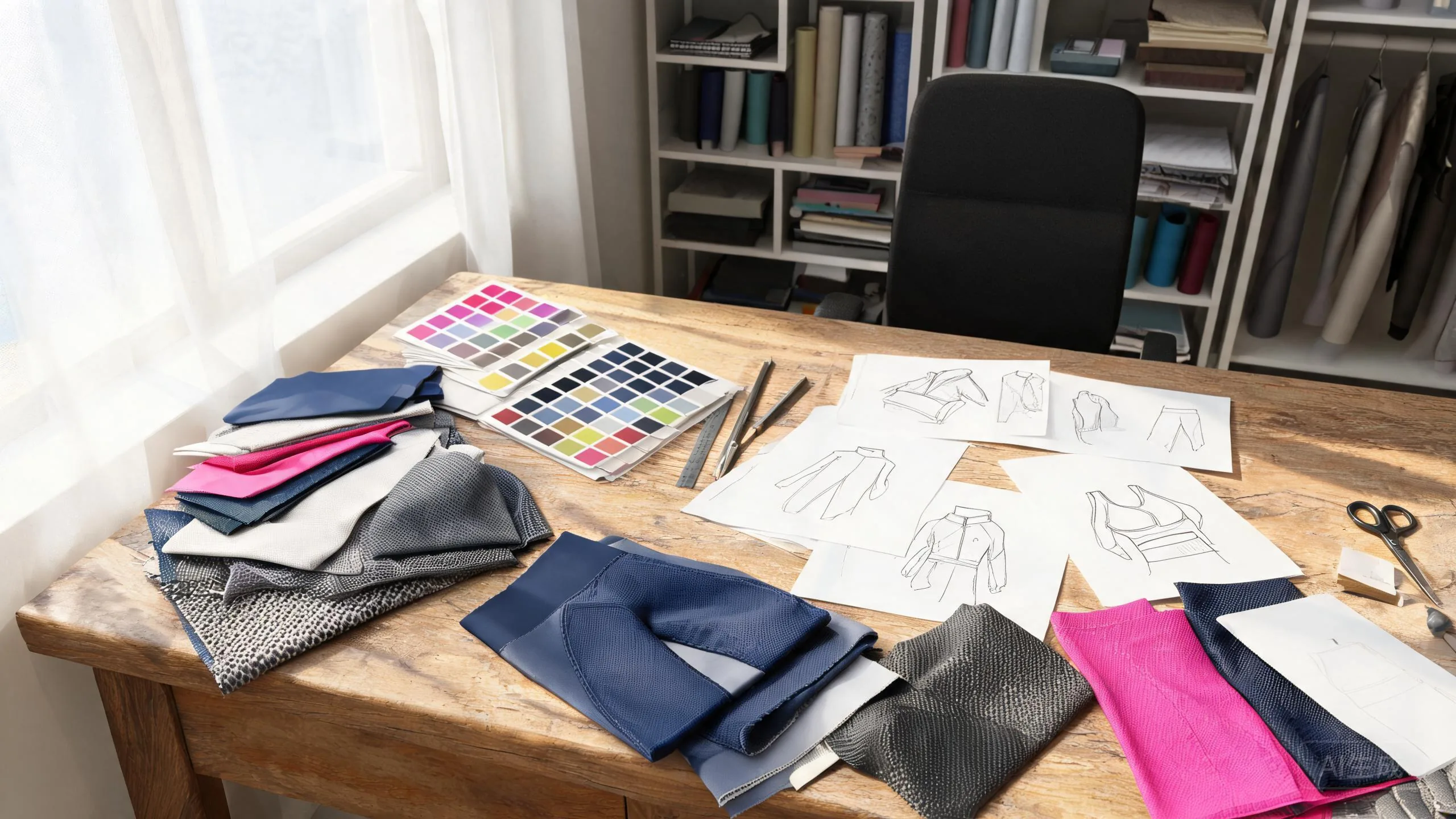
Ordering custom teamwear for a club looks complicated from the outside, but almost every order moves through the same five stages. Knowing what happens at each stage — and who is responsible for what — prevents the two classic failure modes: approvals that drag on for months, and surprises at delivery.
Stage 1: Inquiry and requirements
You describe what you need: disciplines, product types, estimated quantities, target delivery date and any must-haves. The supplier confirms what they can do, at what order quantities, and roughly when. Clear input here makes every later stage faster. If your requirements are still loose, our order planner helps you organize them before you contact anyone.
Stage 2: Design and confirmation
Designs are prepared as digital mockups and revised until you approve them. This stage is where orders most often stall — mostly because feedback arrives slowly or from too many people at once. Agree internally on one decision-maker, collect feedback in rounds, and sign off explicitly. Remember that approved mockups define the reference for production, so check names, numbers, spellings and colors carefully at this point.
Stage 3: Sampling
Depending on the supplier and product, a sample may be produced before the full run — either a fit sample in a standard fabric or a full printed prototype. Sampling costs lead time, but it is the cheapest way to catch fit and color issues before they exist on 30 garments instead of one. For first-time orders with a new supplier, treat a sample as essential; for repeat orders of an unchanged design, it is usually unnecessary.
Stage 4: Production
Once the sample is approved and the final size breakdown is locked, production starts. Most sublimated teamwear is cut and sewn from pre-printed panels. During production, changes are expensive or impossible — which is why the two stages before it matter so much. Typical production windows vary by supplier, season and order complexity, so confirm the timeline in writing rather than assuming.
Stage 5: Quality check and delivery
Before shipping, check quantities and sizes against your order list. On arrival, do a second check with the roster present: each skater verifies their own garment before the season starts, so any genuine production issue can still be raised within the supplier's claims window. Keep the communication channel from the order active until this is done.
Where Sk8Go fits in
Sk8Go is a content and resources platform. It does not manufacture apparel. When you are ready to request quotes, you can use our tools and guides to prepare your requirements — and choose whichever supplier fits your project.
Related guides
- How to Prepare a Teamwear Order
The complete pre-order checklist for skating clubs: sizes, design files, colors, deadlines and roles — so your supplier can quote accurately and deliver on time.
- Sportswear Fabric Basics for Skating Teams
The common fabrics in skating apparel — polyester, elastane, mesh and sublimation printing — explained plainly, so you can hold your own in a supplier conversation.