Published: 2026-09-02 · Updated: 2026-10-11
How to Choose Inline Speed Skating Wheels
Diameter, hardness, core design and track conditions — a practical way to pick inline speed skating wheels that match your discipline and the surface you race on.
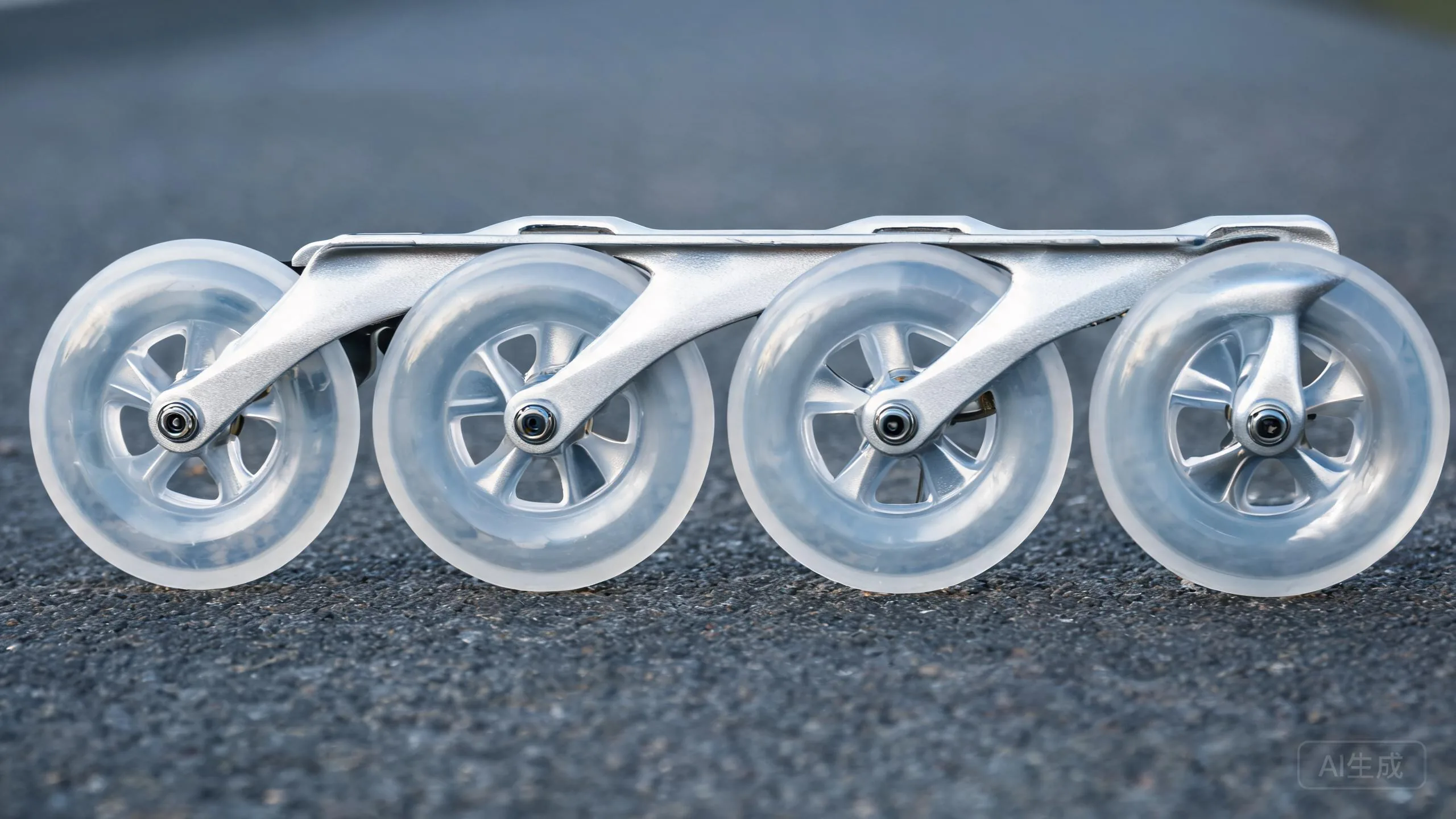
Wheels decide how your speed skates feel more than any other single part. The right set rolls faster, grips in corners and lasts a full season of training. The wrong set can make an expensive skate feel worse than a budget one. This guide walks through the four decisions that matter: diameter, hardness, track surface and wheel combination.
Start with the rules you race under
Before comparing products, check the regulations that apply to your events. Federations set limits on maximum wheel diameter for different age groups and disciplines, and those limits change from category to category. A wheel that is legal for senior track racing may not be legal in a youth category. The fastest wheel is only fast if you are allowed to race on it.
Diameter: rolling speed versus acceleration
Larger wheels roll over rough asphalt more easily and hold speed better on long straights. Smaller wheels accelerate quicker, feel more agile out of corners and lower your center of gravity. Common racing diameters today cluster around 90 mm, 100 mm, 110 mm and 125 mm, with 110 mm being the most widespread all-round choice for adult track and road racing.
- 90–100 mm: quick acceleration, popular for shorter distances, younger skaters and technical circuits with many corners.
- 110 mm: the mainstream racing size for adults — a balance of top speed, roll and control.
- 125 mm: maximum roll and momentum, mainly for long-distance road racing on smooth surfaces, using frames designed for it.
Your frame determines which diameters fit. Never mount a larger wheel than your frame is designed and marked for.
Hardness: grip, wear and surface
Wheel hardness is usually printed as an A-scale number. Softer compounds (lower numbers) grip better and absorb vibration on rough surfaces, but wear faster. Harder compounds (higher numbers) last longer and roll efficiently on smooth surfaces, with less cornering grip. In practice, racing wheels sit roughly in the 84A–88A band, though exact feel depends heavily on the urethane formula — two wheels with the same printed hardness can behave differently.
| Surface | Typical choice | Why |
|---|---|---|
| Smooth indoor or high-quality track | Harder compound | Low rolling resistance, wheels last longer |
| Rough city road marathon | Softer compound, larger diameter | Grip and comfort over vibration |
| Mixed / unknown | Mid-range compound | Reasonable compromise in both directions |
Combine wheels, don't just pick one
Many racers mix diameters and hardnesses across the frame. A common approach is larger or softer wheels under the front positions for grip and roll over bumps, and harder wheels at the back for wear resistance. Exact setups vary by track, distance and personal style — copy a teammate's setup as a starting point, then adjust from what you feel in the corners.
Practical buying checklist
- Confirm the maximum diameter your frame and race rules allow.
- Match the compound to the surface you train on most, not to the best day of the year.
- Buy spares: racing wheels wear quickly, and rotating positions extends their life.
- Check bearings and axle hardware when changing wheels — worn parts disguise how good new wheels are.
Related guides
- Inline Skate Maintenance: A Practical Checklist
A simple maintenance routine for inline skates: what to check after every session, what to service monthly, and how to store skates between seasons.
- How to Choose a Speed Skating Suit
Fit, fabric, seams and race rules — what actually matters when you choose a speed skating skinsuit, whether off-the-shelf or custom made.